
Inside SF - The San Francisco Scoop
Fatty Arbuckle Affair: Celebrity Sex Scandal
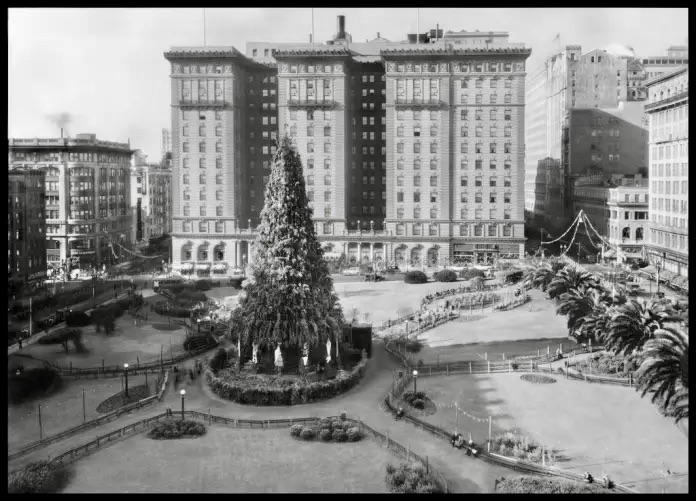
Location: St Francis Hotel
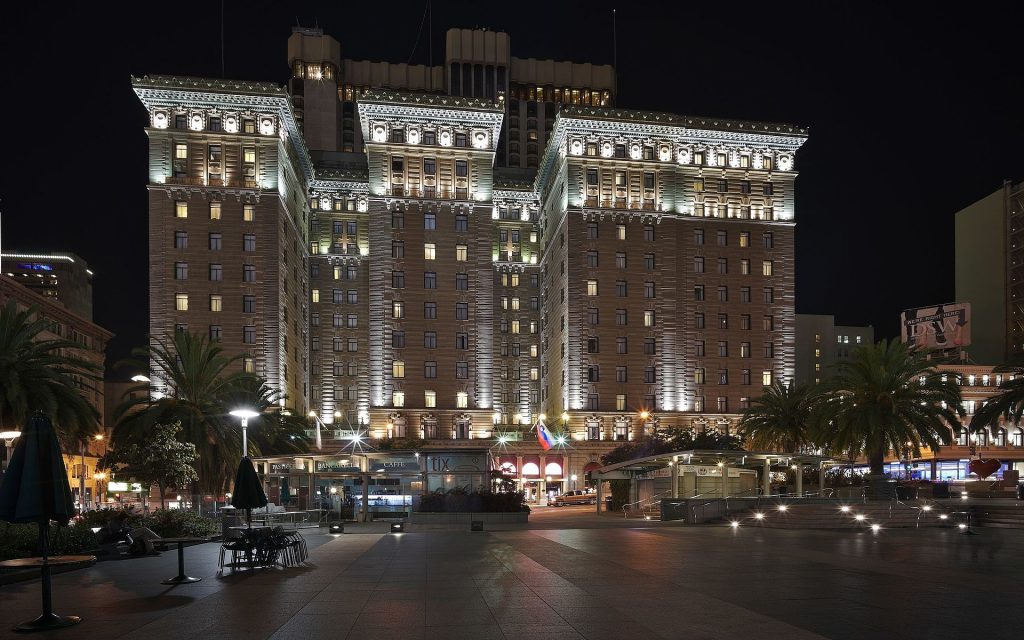
Long before anyone had ever heard of the Fatty Arbuckle Affair (or there was any such thing as a “celebrity sex scandal”) the St Francis Hotel opened in 1904 on Union Square. At that time the film industry was only just blowing up, from being seen as little more than a fairground novelty at the turn of the century, and it was still based in New York and New Jersey. A 17 year old Roscoe ‘Fatty’ Arbuckle was appearing on stage not far from the new hotel, in a vaudeville show at Sid Grauman’s Unique Theater on Market Street.
The St Francis Hotel was built as an investment vehicle for Charles Crocker’s grandchildren and along with the nearby Fairmont it was considered one of the finest hotels in the city. Crocker was one of the ‘Big Four’ that had dominated San Francisco in the nineteenth century and, although he had died ten years before, his enormous mansion still stood looking down on the city from the top of neighboring Nob Hill, within sight of the hotel. Crocker had made his first great fortune during the Gold Rush in California.
In 1906 the hotel was badly damaged by the Great Fire of that year, but it was quickly repaired and reopened in 1907. The St Francis’ location was perfect: right on Union Square, the heart of San Francisco, next to both the commercial and shopping districts, and surrounded by all the big theaters of the downtown entertainment district.
During the 1910’s it became, arguably, the most fashionable hotel in San Francisco as Woodrow Wilson stayed there (beginning a long association with the Republican Party), while promoting the U.S.’s entry into the League of Nations, and many Hollywood stars, such as Charles Chaplin, Mary Pickford and Douglas Fairbanks took suites while visiting the city.
In 1915 there was even one of the new-fangled moving pictures filmed on the property – Mabel and Fatty Viewing the World’s Fair at San Francisco – featuring two of the biggest stars of the day, Mabel Normand and Arbuckle himself. By then the movie industry was taking over the western suburbs of Los Angeles, but it still wasn’t referred to as Hollywood (that wouldn’t happen until the mid-1920’s).
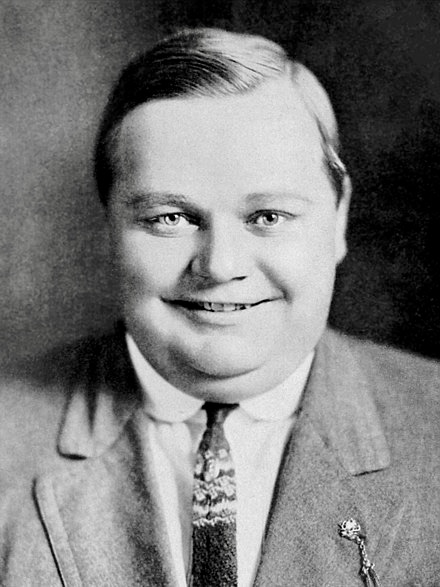
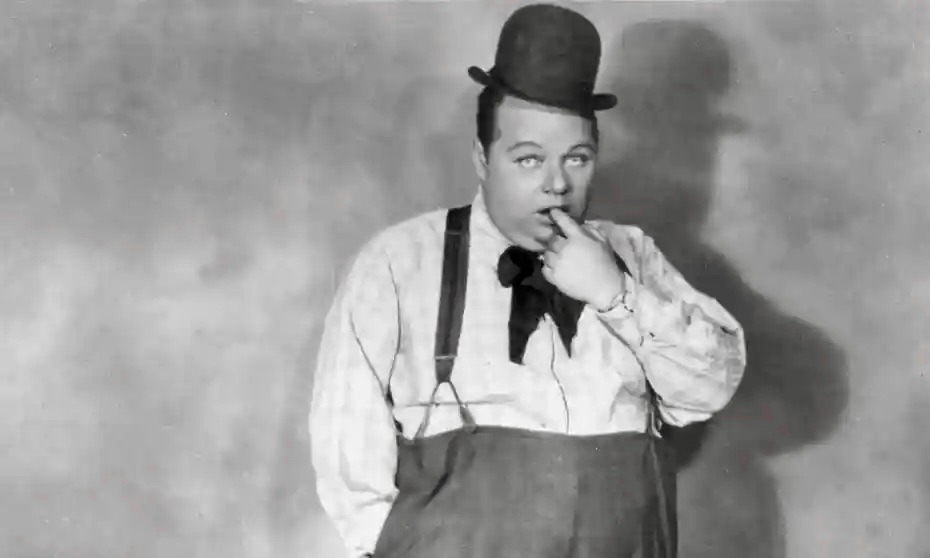
Background to Fatty Arbuckle Scandal
In 1921 wanting a break from his hectic filming schedule (he had seven films playing in the theaters, with two more wrapped), Arbuckle would return to the hotel and his visit there would become the center of Hollywood’s very first major sex scandal. It was an event that would change the entertainment industry, and the public’s perception of it, forever.
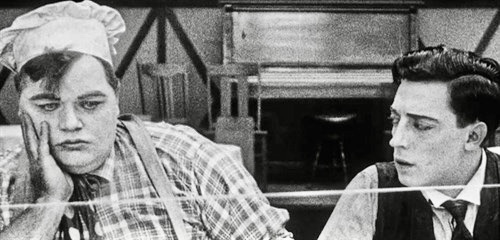
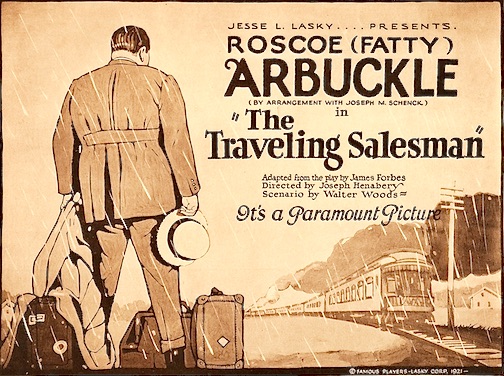
Nowadays Arbuckle is chiefly known for the scandal, but prior to that he was almost on the level of Chaplin in terms of the popularity of his comedies. Both he and Chaplin had made their names appearing in films produced by Mack Sennett’s Keystone Studios in 1914 – in fact the baggy pants worn by Chaplin’s Tramp character had previously belonged to Arbuckle (the difference in size between the 270-pound Arbuckle and Chaplin’s slight frame accounting for said bagginess).
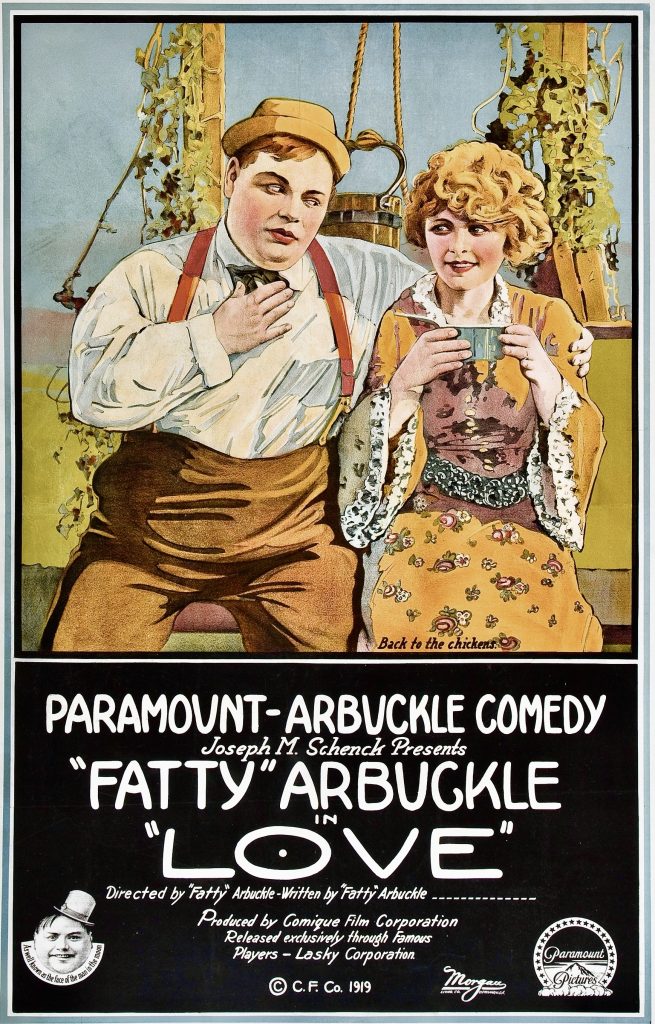
He dint’t like the nickname Fatty, he discouraged anyone from using it to him, and he didn’t believe in using his large frame for comedic material in and of itself, in fact he was surprisingly graceful on screen. Either way the public adored his comedy films. In 1914 Paramount Studios agreed to pay him $1,000 a day and 25% of all profits from his pictures, as well as giving him complete artistic freedom to make them. It was a good decision by the new company as Arbuckle’s popularity skyrocketed.
In 1918 he signed a three-year contract with Paramount for $3,000,000, an incredible sum of money back then. The deal even eclipsed the one that Chaplin had signed the year before and it made Arbuckle the highest paid movie star in the world at the time. He was Paramount’s top star and they were terrified of losing him to Chaplin’s new movie studio, United Artists.
News of the contract was widely reported and it’s almost impossible to overstate the effect this first wave of movie stars had, upending traditional social hierarchies and changing popular culture. Stardom on their level had just never existed before (and, I would say, since). Everybody knew Arbuckle in the U.S. (and much of the rest of the world).
What Happened at the St Francis?
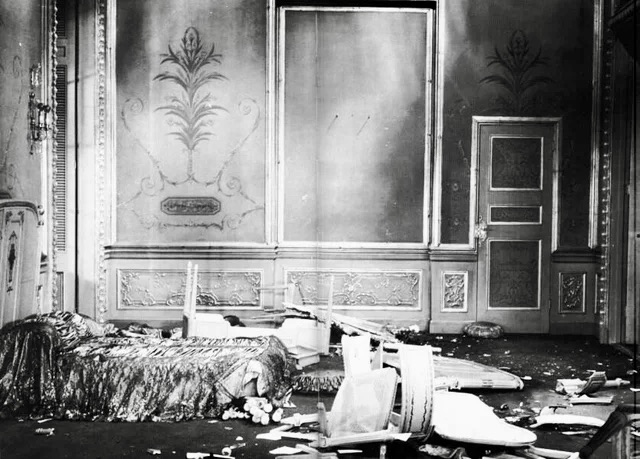
On September 5 Arbuckle and two friends checked into rooms 1219, 1220 and 1221. Room 1220 was designated as the ‘party room’ by the three and they invited several female acquaintances to join them for some Labor Day carousing.
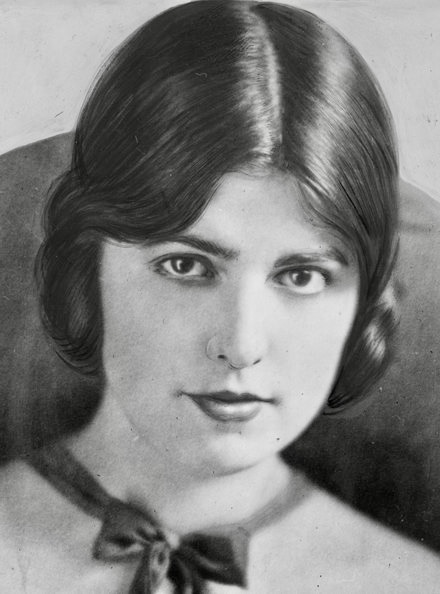
At one point during the revelries one of the women at the party, Virginia Rappe, a twenty-six-year-old movie actress, was discovered ill in room 1219 and the hotel doctor was called. He believed her to be merely suffering from intoxication and prescribed her morphine, moving her to another room to recover.
Rappe’s condition didn’t improve though, and she was hospitalized two days later. Sadly, Virginia Rappe died on September 9, the medical staff never having seen her properly regain consciousness.
By that time Arbuckle had returned to Los Angeles for a film premiere at Sid Grauman’s Million Dollar Theatre. It was there, in Grauman’s office above the lobby, that he was informed by San Francisco police of Rappe’s death. This was when Arbuckle discovered that it was being treated as suspicious by the authorities. He wanted to know why.
How a Tragic Death Becomes a Celebrity Sex Scandal
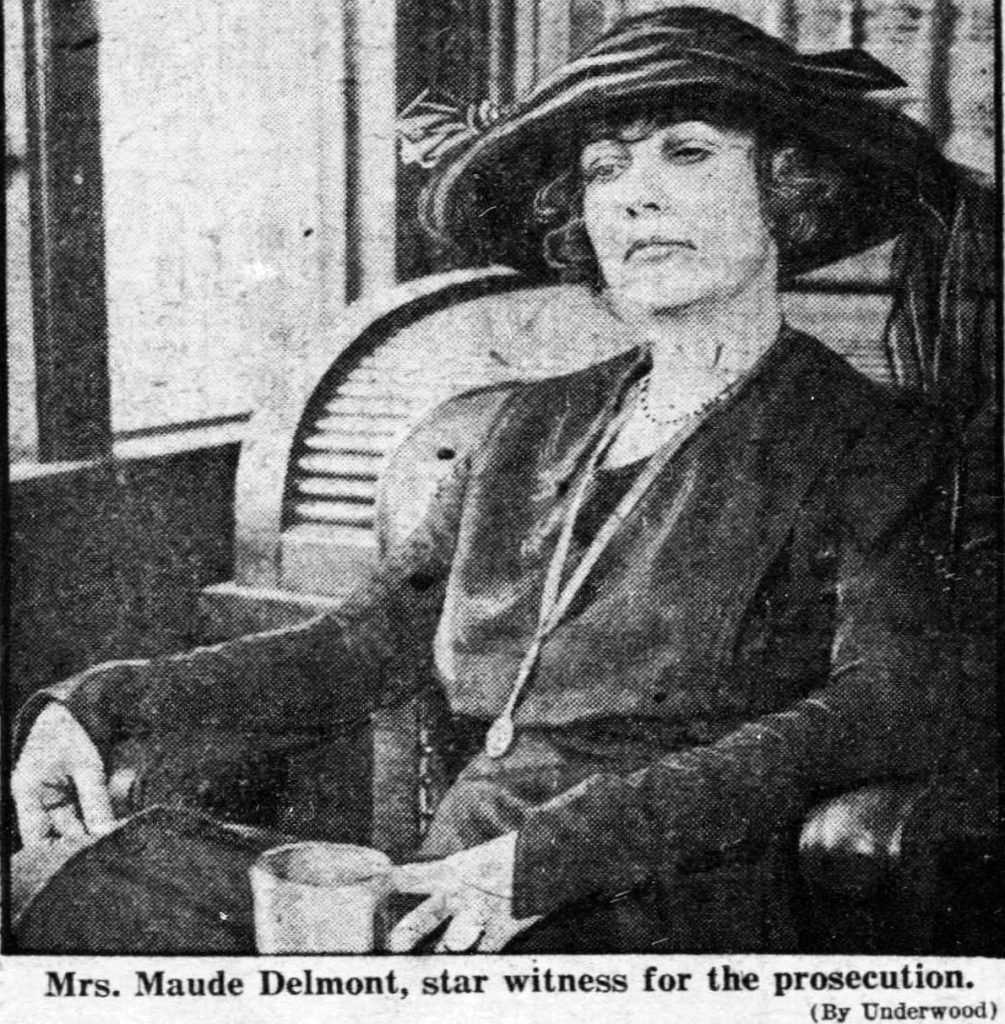
The police informed him that back in San Francisco one of the other guests at the party, the interestingly-named Bambina Maude Delmont, had claimed that Rappe had shared on her deathbed that Arbuckle had raped her.
In front of a shocked Grauman Arbuckle protested his innocence, but the police didn’t seem convinced. He hung up the telephone knowing he was in deep trouble already, but it was about to get a lot worse. Undoubtedly much, much. worse than Arbuckle could have possibly imagined.
From that moment the affair snowballed into what became known as the Fatty Arbuckle Affair, giving the star the dubious distinction of being at the center of the world’s very first ever celebrity sex scandal, as a whole series of people decided to use it for their own ends, piling in with outlandish theories and wild accusations, most having absolutely no basis in fact.
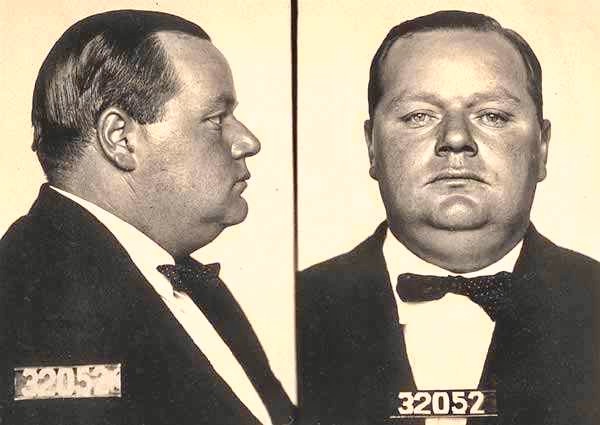
Prominent among this group was San Francisco District Attorney Matthew Brady, who saw a chance to raise his profile (he was planning a run for Governor of California). He arranged for a second autopsy – the first not having given him the ammunition he needed – and this one, by Dr Shelby Strange, established that she had in fact died from a rupturing of the bladder that, he opined, might have been caused by the heavy Arbuckle lying on top of Rappe.
On September 10 Arbuckle turned himself in and was duly charged with manslaughter.
The Case Against Fatty Arbuckle
Unfortunately for Brady his chief witness, Delmont, hadn’t actually seen Arbuckle assault Rappe (no one had) and she had lengthy rap sheet, which included bigamy, extortion and blackmail (it later came out that she had tried to blackmail Arbuckle). She’d only recently met Rappe and, infuriatingly, her story kept changing.
On top of that the autopsy showed no evidence of rape and the medical staff that attended Rappe denied that she had ever mentioned it. Arbuckle testified that he’d been friends with Rappe for five or six years.
Finally Rappe had a well-known history of getting drunk at parties and then screaming and tearing her clothes off: unusual behavior that was almost certainly caused by acute peritonitis, that meant her clothing was causing her intense pain.
It should also be pointed out that in the middle of festivities (and just after the rape was alleged to have taken place) Arbuckle left the party in order to personally drive a female friend into town. Sound like the kind of thing you’d do after committing such a heinous crime against a woman? Doesn’t seem likely.
It was a weak case to start with, but Brady was determined to press on so the circus began, and it really set the template for the celebrity scandal ever since. Key to it all is a sense of moral outrage. Prohibition of alcohol in the U.S. had begun the year before, but that hadn’t stopped the party guests imbibing copious amounts of bootlegged liquor. It also didn’t escape notice that the name Virginia Rappe closely resembled ‘virgin rape’.
Then another guest, Al Semnacher, dropped the bombshell that Arbuckle had penetrated Rappe with some ice! It later transpired that he’d rubbed it on her belly, to relieve the pain, but who cares? Soon the claim morphed into Arbuckle using a coke bottle.
As Henry Lehrman, who’d been Rappe’s boyfriend and Arbuckle’s director, said:
That’s what comes of taking vulgarians from the gutter and giving them enormous salaries and making idols of them.
Sound familiar?
Press Coverage of the Scandal
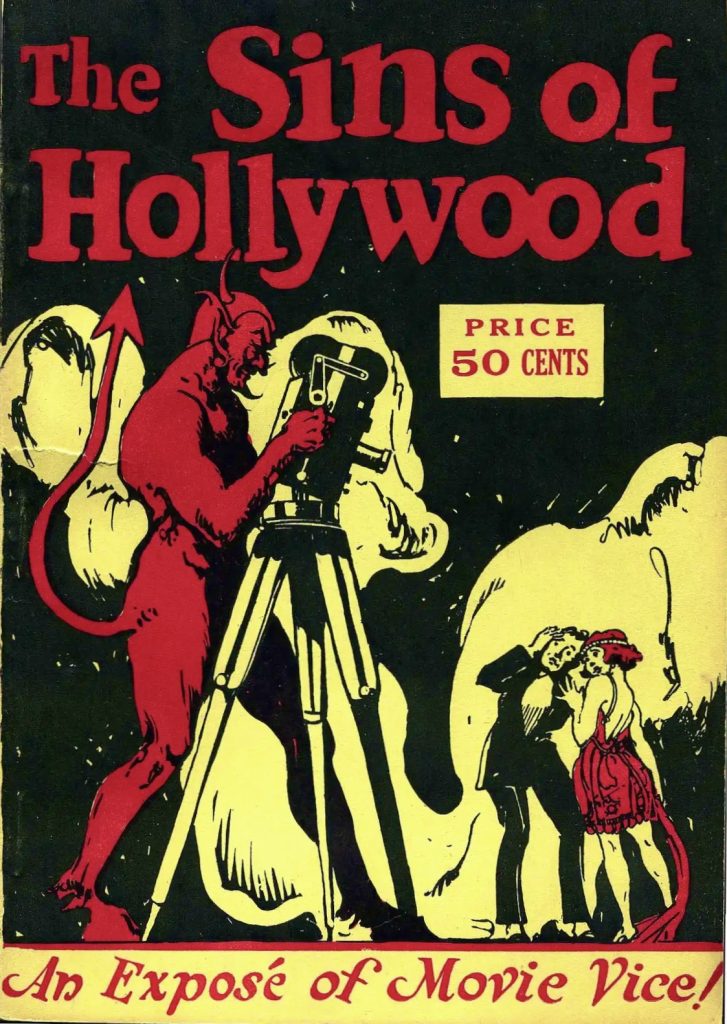
Fanning the flames were William Randolph Hearst’s empire of newspapers, which eagerly reported every scandalous tidbit they could find, or make-up, about the case. On September 13 alone his San Francisco Examiner ran no less than seventeen stories on the Fatty Arbuckle Scandal.
Later he claimed that it “sold more newspapers than any event since the sinking of the Lusitania”. Bearing in mind that the sinking of the Lusitania by a German U-boat was one of the events that brought the U.S. into World War One, that’s really saying something.
But, then again, is it that surprising? Arbuckle was so famous interest in the affair, worldwide, was a given. This was on a whole different level to the O. J. Simpson case in the 1990’s, when even many Americans didn’t initially know much about him, or today’s Sean Combs/P Diddy trial (at this point Diddy is more famous for being famous, and a lot of people don’t really know his music). Arbuckle was that rarest of creatures, a completely new beast in 1921 really, a movie-star. And the sex-crime element, mixed with forbidden alcohol too, made it the perfect salacious story for Hearst and the other newspaper owners.
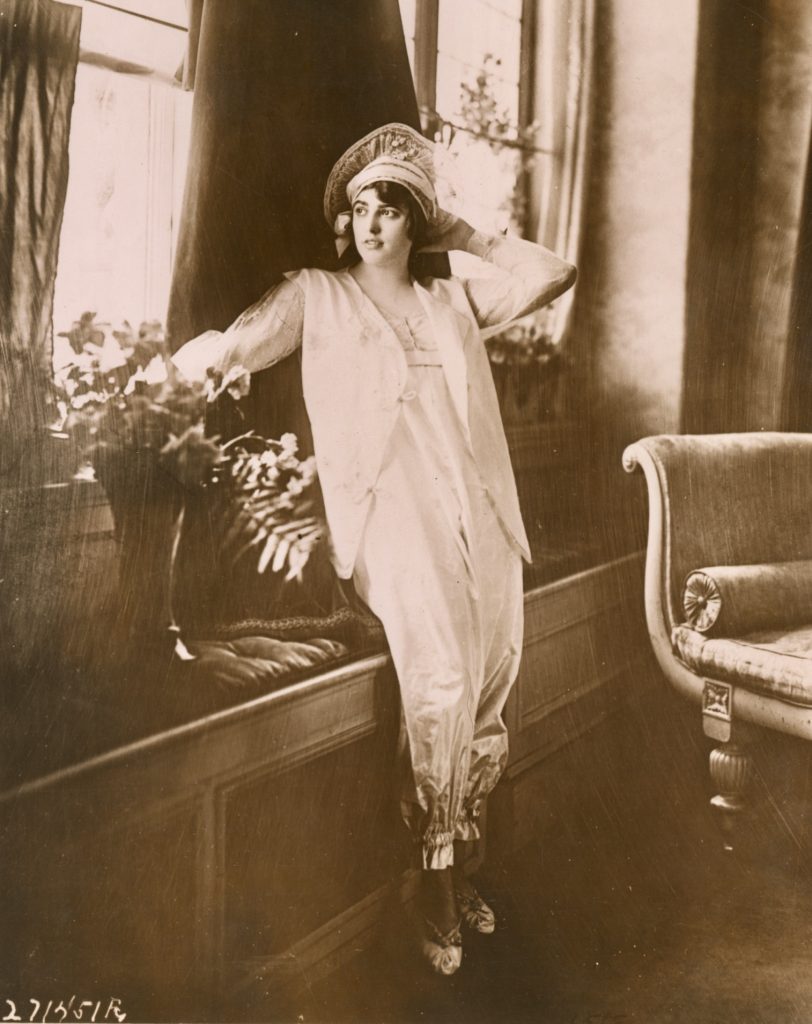
The enormous irony – some might say hypocrisy – of the anti-Arbuckle campaign was that, of all people, it was Heart who was piously leading the charge of the ‘moral majority’. The same Hearst that was mostly living in a 42 bedroom 61 bathroom castle on the Californian coast (that would later be the inspiration for Xanadu in the 1941 classic Citizen Kane, which was based on Hearst’s life) with his mistress (his wife having conveniently moved into their East Coast palace), hosting parties for Hollywood stars such as Chaplin every weekend.
With alcoholic cocktails served before and after supper, and wine with it.
In fact Arbuckle seems to have been the only movie star that hadn’t weekended at Hearst Castle. If only he’d befriended the most powerful media mogul in the country! Nevertheless, the fact that this was the man supposed to be representing the common man (and woman, of course) against the decadent and debauched ‘Hollywood elites’, made the coverage of the Fatty Arbuckle Affair richly ridiculous in retrospect,
However, it shouldn’t be considered very surprising, Hearst had pioneered what we would now call Tabloid journalism (back then it was called the Yellow Press), at the end of the nineteenth century. What this essentially meant was having an unapologetic political point of view, appealing to your readers emotions, before their intellect, as well as adding a strong populist element to coverage. It also meant sensationalist stories, that could be paid for if necessary, and a disinterest in facts (even inventing them if would make for a “better” story).
Immediate Impact of the Arbuckle Affair
Most of Arbuckle’s movie industry friends ran as fast as they could for cover, only Charles Chaplin and Buster Keaton (who had been discovered by Arbuckle and was a frequent co-star) came out in his defense. Still, according to most industry insiders who would talk to the press (off the record of course) Arbuckle was considered a particularly nice person to work with, all his female acquaintances, including the wife he was divorcing, claimed that he’d always been a total gentleman in his dealings with them.
But the tide of opprobrium was far too strong to resist. Within days of Arbuckle’s arrest his films had disappeared from theaters as completely as if they’d never existed. Then Paramount announced it was no longer paying its biggest star, arguing that this was fair, since he wasn’t showing up for work on the lot.
Was that enough? The Hollywood Studio heads were panicking, and the following day Universal Pictures inserted a ‘morality clause’ into all its artists contracts. Almost immediately the other studios loudly followed suit.
In December they created the Motion Picture Producers and Distributors of America organization, headed by the upright, Presbyterian, Will Hays, to forestall government intervention and put a more wholesome, American, face on the industry (much of the criticism of it had focused on the fact that many studio heads were Jewish and immigrant). The first thing Hays did was officially ban Arbuckle’s movies.
We can see similar debates play out today with ‘Big Tech’ and the social media companies trying to convince the government that they really can self-regulate effectively, and that therefore Congress doesn’t need to pass legislation to do it (all the evidence shows that self-regulation never works).
Nevertheless, it seemed that Hollywood had done enough to forestall immediate government intervention, but the studio chiefs remained cautious for a long time. It was the first big shock for the industry after many years of meteoric growth, and they didn’t want to take any more risks.
From then on they would take a much more active interest in the private lives of their celebrity employees, keeping them on a tight leash. They would also employ armies of publicists and helpers, working to ensure positive press coverage of their star investments (and to cover up any potential scandal before it might happen).
Trials of Fatty Arbuckle
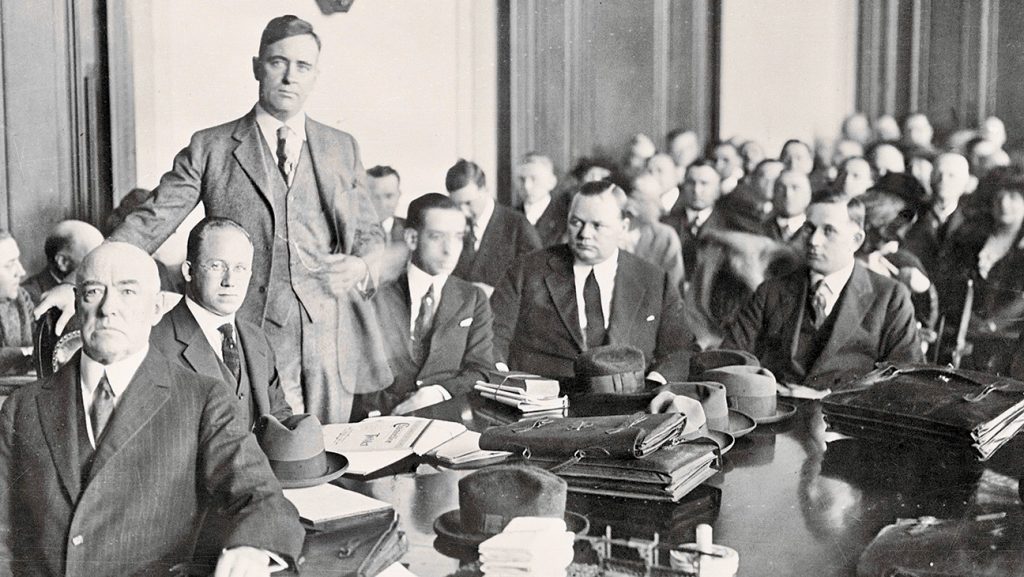
After all that, what happened at the trial? Well, there were three (naturally, it had to be a trilogy).
At the first one the jury came back 10:2 in favor of acquittal, in December of the same year. It was one of the first major trials in which women served on the jury and Helen Hubbard, one of the two hold-outs, claimed that she had been berated by the male jurors. “There is no place for a woman on the jury” she said, and most of the press agreed.
Nevertheless, Arbuckle was eager to clear his name and a second trial was scheduled. This time the prosecution’s case was revealed to be so weak that Arbuckle’s lawyers disdained even making a closing argument – a fatal mistake. The verdict came back and it was the reverse of the first, 10:2 in favor of conviction.
And so the affair continued into a third trial. This time Arbuckle’s lawyers really took the gloves off, going after Rappe’s character (which Arbuckle had forbidden them from doing in the first two trials) and revealing that Delmont was also known as ‘Madame Black’, a procurer of beautiful young women for rich men (who she would then threaten to accuse of rape, in order to extort large sums of money from them). It also became clear that Brady had been intimidating witnesses.
Finally, on April 13, 1922, after just six minutes of deliberation the jury returned with a verdict: Arbuckle was not guilty. Furthermore, the foreman read a statement, the first part of which stated:
Acquittal is not enough for Roscoe Arbuckle. We feel that a great injustice has been done him. We feel also that it was only our plain duty to give him this exoneration, under the evidence, for there was not the slightest proof adduced to connect him in any way with the commission of a crime.
Aftermath of the Affair
Was that case closed then, and the end of the Fatty Arbuckle scandal? Not so fast. Although Arbuckle’s movies were unbanned by the Hays Office, he was still a pariah and guilty in the eyes of much of the public.
For a while Arbuckle was desolate and turned to drink to dull the pain, becoming an alcoholic. As time passed he began to work as a director, under the pseudonym ‘William Goodrich’ (his father’s name), working on several Buster Keaton films (such as Sherlock Jr.), but friends described him as a broken man.
The changes to the movie industry, only just becoming known as “Hollywood” at that time, were seismic. The industry’s self-censorship increased throughout the 1920’s and in 1934 Hays formed the Production Code Administration, which produced a lengthy list of “don’ts and be careful’s” for all Hollywood films. For example banning any suggestion of pre-marital sex, all use of profanities and the slightest depiction of homosexuality.
Continuing Influence of the Fatty Arbuckle Affair
Even to this day many of the most salacious fallacies from the trial have become accepted as fact (such as the infamous bottle). In 2020 this article on PBS still felt compelled to hedge its bets and declare that:
It sure sounds as if some type of sexual violence or unwanted sexual advance may have occurred. Since both participants are now dead, we will never know for certain.
Really? Isn’t that the point of having a trial?
One of the biggest legacies of the Fatty Arbuckle Affair is the legal one. The morality clause is routinely inserted into the contracts of leading actors and, even, senior business executives nowadays. When Disney Studios dropped a Johnny Depp-starring Pirates of the Caribbean sequel after a court in London had ruled it likely that he was a “wife beater”, who’d inflicted physical abuse on his then wife Amber Heard, it was because of just such provisions in their contract with Depp.
Of course Hollywood does love a comeback and a couple of years later, in 2022, Depp was found innocent of all charges, when he sued Heard for libel after she repeated the claims in another newspaper. Now there’s talk once again of another film in the Pirates ‘franchise’, starring Captain Jack Sparrow of course.
Was There a Hollywood Comeback for Arbuckle?
Not exactly, but there was a happy end of sorts for him though. As luck would have it for Arbuckle, by the mid-1920’s Hollywood celebrity sex scandals were becoming a bit of a thing, with Chaplin himself being hounded by the press for his own “alleged” sexual misdeeds. This, combined with the healing power of time passing, meant that opinions about Arbuckle began to change.
When Chaplin’s new movie, City Lights, came out in 1927, and was a huge success, Hollywood took note. Public opprobrium didn’t seem to affect box-office receipts. It even might boost them!
‘The talkies’ brought new opportunities in the early 1930’s and Arbuckle made several comedy shorts with Warner Brothers Studios. He still yearned to act and, after the movies were successful, on June 29, 1933, he signed a new contract with Warner’s for a feature film remake of Brewster’s Millions.
He was staying in New York and that same evening he went out to celebrate his first wedding anniversary (to his third wife) with a group of friends. He was in a happy mood and is said to have told the party:
This is the best day of my life!
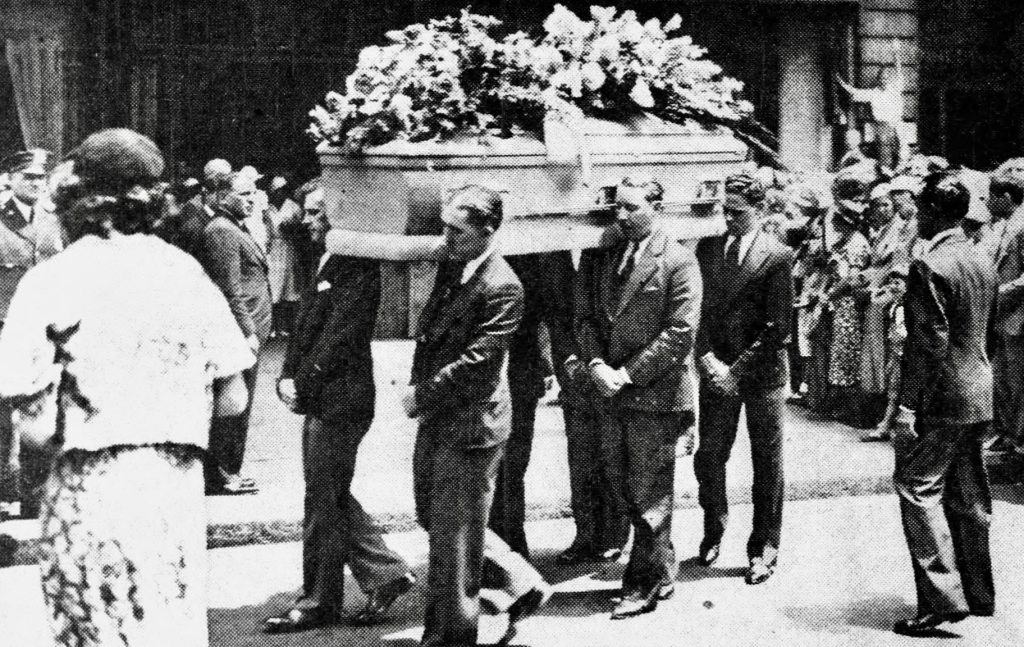
Later that night Roscoe Arbuckle died of a heart attack in his hotel bed. He was just forty-six years old.
I’ll leave the final word to Gloria Swanson, a massive silent movie star who nearly died from a botched abortion she had due to the morality clause in the contract she’d signed with Paramount (she was in the process of divorcing her second husband at the time, who was not the father).
The newspapers had proved in less than a week that the public got a much greater thrill out of watching stars fall than out of watching them shine.
Ironically Swanson’s most famous performance was in Sunset Boulevard, a movie in which she plays a forgotten silent movie star who becomes sexually besotted with a younger man. The plot of the film proving her right in her assessment of audiences love of a good celebrity sex scandal. It’s also a nice role-reversal of the usual set-up, and proof again of how much art ends up imitating life.
Visit the Scene of the ‘Crime’
Our Notorious SF: Ghost & Crime tour starts in front of the St Francis Hotel every Saturday night at 6 pm, the location of the main events involved in the Fatty Arbuckle Affair.
Sometimes we go into the hotel lobby for a quick drink at the famous Clock Bar – where Arbuckle himself was known to hang out while staying there (even better, now they can serve alcohol :-) ).
If you have any feedback on Fatty Arbuckle Affair: Celebrity Sex Scandal please email us or reach out on social media, we’d love to hear from you.
– By Damien Blackshaw (Twitter)
You must be logged in to post a comment.